
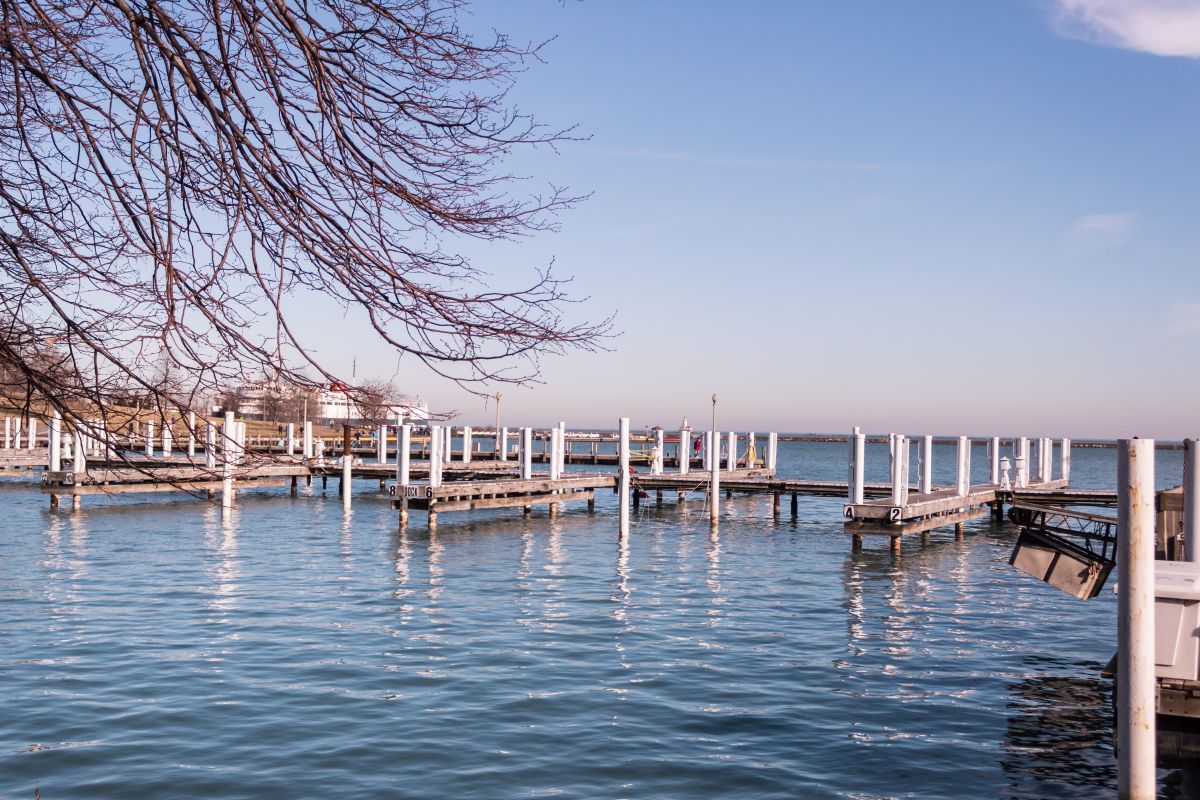
Chicago’s waterfront draws millions of visitors every year. From the Riverwalk, the lakefront trail, and Navy Pier to the city’s many marinas, harbors, and recreational docks, these spaces offer leisure and community connection for residents and tourists alike. Property owners and managers along the waterfront bear a legal duty to keep their premises safe in all these areas. When they fail to uphold that duty, visitors and patrons can suffer injuries serious enough to change the course of their lives.
Premises liability law holds property owners accountable when their negligence contributes to injuries on their property. Docks, piers, marina walkways, and shoreline facilities are all prone to specific hazards. They include slippery surfaces, structural instability, inadequate lighting, and unmarked drop-offs. If a waterfront property owner’s failure to address hazards caused harm to you or someone you love, you may have the right to pursue compensation for your losses.
At Salvi, Schostok & Pritchard P.C., our premises liability attorneys have spent more than 40 years fighting for the rights of people who have suffered preventable injuries caused by others’ carelessness. We have recovered over $3.5 billion in verdicts and settlements for our clients, including more than 400 cases exceeding $1 million.
If you suffered a dock or waterfront injury due to a property owner’s negligence, contact our law firm today to arrange your free consultation with our Chicago waterfront injury lawyers. Your case review is fully confidential, and you pay no attorney fees unless we successfully resolve your matter.
Defining Waterfront Premises Liability in Chicago
Premises liability is the area of law that governs an injured person’s right to seek compensation from a property owner or occupant when they get hurt due to a dangerous condition on the property. In Illinois, property owners owe a duty of reasonable care to lawful visitors, including customers, marina patrons, event attendees, and members of the public who access waterfront facilities open to visitors.
Chicago’s waterfront encompasses a broad range of property types, each under the control of a specific entity. Public lakefront parks and recreational paths fall under the jurisdiction of the Chicago Park District. Private marinas, boat clubs, and commercial waterfront businesses are operated by private owners and operators. Condominium associations and commercial property owners control some dock facilities adjacent to residential or mixed-use developments.
Regardless of who owns or controls a waterfront property, Illinois law requires that those parties take reasonable steps to identify and correct dangerous conditions on their premises. A property owner who knew or reasonably should have known about a property hazard and failed to address it may be held liable for any injuries it causes. Injury cases involving dock accidents and premises liability on the Chicago waterfront can arise from a wide range of circumstances, and the strength of your specific premises liability claim depends on the facts surrounding the incident.
Common Causes of Dock and Waterfront Incidents
Chicago’s waterfront and dock environments present a range of hazards that responsible property owners must identify and address proactively. These property owners are legally obligated to take reasonable precautions to prevent foreseeable injuries. If they fail to do so, they can be held responsible for the harm caused by their dangerous premises.
Premises liability for dock incidents often stems from conditions that negligent property owners could have corrected with reasonable attention and maintenance. Common causes of these incidents include the following:
- Wet or Slippery Surfaces – Docks, piers, and marina walkways frequently become slick from water or algae. Property owners who fail to apply non-slip coatings or post warnings about slippery conditions of the wet floor can be responsible for preventable visitor falls.
- Structural Defects – Rotted or weakened dock sections, loose railings, and deteriorating fasteners can give way without warning and cause falls into the water or onto hard surfaces.
- Inadequate Lighting – Poor lighting in marina walkways and dock areas can make it difficult for visitors to identify hazards and increase the likelihood of trips, falls, and other serious incidents.
- Unmarked Edges and Drop-Offs – Dock edges, pier ends, and transitions between walkways and the water can present fall hazards if property owners fail to mark them clearly or install barriers.
- Negligent Maintenance – General failure to inspect and maintain dock facilities, such as cleats, tie-off points, and structural components, can allow hazardous conditions to develop over time.
- Inadequate Crowd Control – Events and peak-season congestion can create dangerous conditions if waterfront property owners fail to manage visitor capacity or maintain clear pathways.
- Defective Equipment – If property owners fail to maintain gangways, boarding ramps, ladders, or life-saving equipment, these items can fail at critical moments and contribute to serious injuries.
- Inadequate security – Marinas and other boating companies may be required to properly surveil the area and act as a deterrent for would-be criminal acts. If the property owner knew of recent criminal activity or foreseeable crimes in the area yet failed to take appropriate security measures to prevent such activity on their property, they may be responsible for any resulting injuries.
If you or a loved one was injured on someone else’s property due to dangerous conditions, contact our premises liability attorneys for a free case evaluation. We have extensive experience handling complex premises liability cases, along with a proven track record of success in securing maximum compensation for personal injury victims.
Common Injuries Associated with Waterfront and Dock Incidents
Dock and waterfront incidents can produce a range of injuries, from relatively minor soft tissue damage to catastrophic injuries or even fatal harm. The physical environment of a waterfront or dock, which typically combines hard surfaces, open water, and heavy equipment, increases the potential severity of many incidents.
Visitors to these properties can suffer such injuries as the following:
- Traumatic Brain Injuries – Falls onto hard dock surfaces or into the water can cause head trauma, including concussions and more severe brain injuries with long-term cognitive consequences.
- Spinal Cord Injuries – Falls from docks, piers, or elevated waterfront walkways can result in spinal injuries, including paralysis, that permanently affect mobility and independence.
- Fractures – Sudden contact with hard dock surfaces or collisions with structural elements can cause broken bones, including wrist, arm, hip, and leg fractures.
- Lacerations and Puncture Wounds – Exposed hardware, splintered wood, and deteriorating structural components on docks can cause deep cuts and punctures that may become infected.
- Drowning and Near-Drowning Incidents – Falls from docks or piers into open water carry the risk of drowning, particularly if property owners lack accessible rescue equipment or adequate lighting.
- Soft Tissue Injuries – Sprains, strains, and torn ligaments can result from slip and falls on wet or uneven dock surfaces and sometimes require extensive rehabilitation.
- Hypothermia – Accidental immersion in Lake Michigan or Chicago River waters, particularly in cooler months, can result in dangerous drops in body temperature that may become life-threatening without prompt treatment.
Determining Liability: Who Is Responsible?
To establish liability in a Chicago dock injury claim, you must identify which party controlled the property, what duty of care they owed to the injured person, and how they failed to uphold that legal duty. In some waterfront and dock injury cases, multiple parties can bear responsibility, such as the following:
Marina and Boat Club Operators
Owners of private marinas and boat clubs are responsible for maintaining safe conditions throughout their facilities, including along docks and walkways, as well as in parking areas and common spaces. If a marina operator fails to inspect or repair structural hazards, maintain adequate lighting, or warn patrons of known dangerous conditions, they may be liable for any resulting injuries.
Commercial Waterfront Property Owners
Restaurants, entertainment venues, retail businesses, and event spaces situated along the Chicago waterfront owe a duty of care to all customers and invited guests. A commercial property owner who allows a dangerous dock or walkway condition to persist without correcting it or warning visitors may be liable for injuries that occur on their premises.
The Chicago Park District
The Chicago Park District manages extensive lakefront facilities, including public docks, piers, harbors, and recreational areas. Claims against government entities, such as the Chicago Park District, are subject to specific procedural rules under Illinois law, including strict notice requirements and shorter filing deadlines than those for claims against private parties. The attorneys at Salvi, Schostok & Pritchard P.C. can advise you on these requirements if you believe you have a claim against the Chicago Park District or another government agency.
Contractors and Maintenance Companies
Third-party contractors hired to perform construction, repair, or maintenance work on dock facilities may be liable if their negligent work contributes to hazardous conditions. In some cases, both a property owner and a contractor or maintenance company may share responsibility for the same injuries.
Event Organizers
Waterfront festivals, concerts, and corporate events that draw large crowds to dock and marina areas require enhanced safety protocols. If event organizers fail to implement adequate safety measures, manage crowd flow, hire security personnel, or coordinate with property owners to address known hazards, they may be liable for incidents that occur during their events.
What Evidence Can Strengthen a Waterfront Injury Claim?
Comprehensive evidence plays a central role in the success of any premises liability dock incident claim. The strength of your case depends on whether you and your attorney can document the hazardous condition in question, establish that the property owner knew or should have known about it, and connect that hazard directly to your injury.
Key evidence in Chicago dock injury claims can include the following:
- Photographs and Video – Pictures and video footage can serve as valuable evidence in an injury claim. This includes images or video of the hazardous condition, the surrounding area, any warning signs or lack thereof, and your visible injuries taken soon after the incident.
- Incident Reports – An incident report filed with the marina, dock operator, or property manager can provide a contemporaneous record of the incident and the conditions present at the time.
- Witness Statements – Statements from other visitors, dock workers, or marina staff who observed the hazardous condition or witnessed the incident can corroborate your account.
- Medical Records – Documentation of your injuries, the treatment you received, and your attending provider’s assessment of the cause and severity of your injuries can connect the incident to the injuries you include in your claim.
- Maintenance and Inspection Records – Records of prior inspections, maintenance requests, complaints, or repair history from the property can demonstrate that the owner knew or should have known about the hazardous condition and failed to correct it.
- Surveillance Footage – Many marina and waterfront facilities use security cameras. Surveillance footage that captured the incident or the conditions just before it can be compelling evidence. However, you typically need to request it quickly before it gets deleted.
- Expert Analysis – In complex cases, specialists like structural engineers or maritime experts can help your lawyer evaluate the conditions of the dock or facility and determine whether the property owner met applicable safety standards.
Immediate Steps to Take Following a Waterfront Injury
The actions you take in the immediate aftermath of a dock or waterfront incident can meaningfully affect the outcome of any subsequent legal claim you bring. If you suffer an injury at a Chicago waterfront facility, take the following steps as soon as possible to protect yourself and your legal rights:
- Seek Medical Attention Immediately – Your health and safety should be your top priority. Even if your injuries appear minor, seek a prompt medical evaluation. This creates a record of your condition and ensures that you receive timely diagnosis and treatment for any hidden injuries.
- Report the Incident – Notify the property manager, operator, or another responsible party of the incident before you leave the property. Request a copy of any incident report for your records.
- Document the Scene – If you are physically able, take photos of the hazardous condition, the surrounding area, and your injuries before anyone can alter or repair the scene.
- Collect Witness Information – Obtain names and contact information from any witnesses who observed the incident or the conditions that contributed to it.
- Preserve Evidence – Keep the clothing and footwear you were wearing at the time of the incident. Do not launder or discard these items, as they may serve as key physical evidence.
- Avoid Providing Recorded Statements – Property owners and their insurers or lawyers may attempt to obtain a recorded statement from you shortly after the incident. Consult an attorney before you agree to any such request.
- Contact a Chicago Waterfront Injury Lawyer – The sooner you retain legal representation, the sooner your attorney can act to preserve evidence and start protecting your rights.
Speak with an Experienced Chicago Premises Liability Lawyer
Dock and waterfront incidents can result in life-altering injuries. The legal process for pursuing compensation is rarely straightforward. Property owners and their insurers will work hard to minimize or deny your claim, and the evidence that supports your case can disappear quickly without prompt legal intervention.
At Salvi, Schostok & Pritchard P.C., our attorneys bring more than four decades of experience to every premises liability case we handle. We have recovered more than $3.5 billion for our clients, including the largest compensatory jury verdict ever awarded to an individual plaintiff in Illinois state history. Our diverse team of litigators has the resources and determination to pursue every source of recovery on your behalf.
If you suffered an injury at a Chicago waterfront facility, dock, or marina, contact Salvi, Schostok & Pritchard P.C. today. We offer free, no-obligation initial consultations, and our attorneys are available to meet with you at our office or at your home. Reach out to our firm now to arrange your no-risk, fully confidential consultation and speak with a Chicago dock accident lawyer who will fight for the results you deserve.