
CHICAGO (February 2, 2026) – With over 31 million people currently using GLP-1 drugs like Ozempic and Mounjaro, the conversation has shifted from weight loss success stories to serious legal questions. As of early 2026, over 3,000 lawsuits are pending against the manufacturers of GLP-1 drugs. The lawsuits claim plaintiffs who used the drugs suffered severe side effects such as stomach paralysis, bowel obstructions, and vision loss, along with failure-to-warn and misleading marketing.
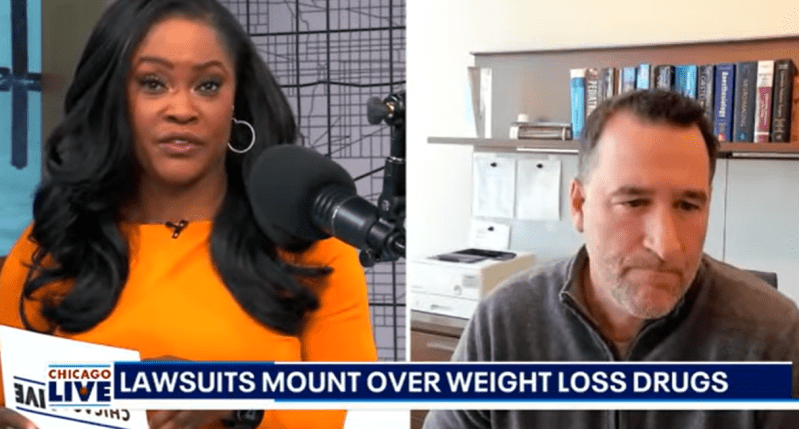
FOX 32 anchor Anita Blanton recently sat down with Salvi, Schostok & Pritchard attorney Matthew L. Williams to break down the rising wave of product liability lawsuits facing pharmaceutical manufacturers.
Transcript
Anita Blanton:
For quite some time. So here we are in a familiar place, right? We have lawsuits. Matt Williams with Salvi, Schostok and Prichard is joining me now to talk a little bit more about what’s going on. And let’s be very clear when we go over some of the claims that people are suing over now.
Matt Williams:
Sure. I mean, this is a product liability case. And so whenever there’s a product liability case, the claims generally involve failure to warn about risks associated with the product, a design defect with the product. Maybe the manufacturer didn’t do enough testing or monitoring, and maybe they were negligent in the marketing of the product. So in the case with Ozempic, those are likely going to be the basis for the lawsuit claims.
Anita Blanton:
There is an estimated 31 million people, I believe I saw, that are on some type of GLP-1 drugs. So do we think that these are going to be waived off as rare occurrences that happen, maybe based on other factors, or that they would be actually taken seriously?
Matt Williams:
Yeah, I mean, I think that remains to be seen. There’s a little over 4,000 lawsuits. I think 30 million people in this country have tried Ozempic or similar drugs at some point. Most get off within a year, the statistics show. And so to me, I think that’s enough side effects where you need to look closely to see if the consumer has been warned about those side effects so they know what side effects they should look out for. And they also know the risks associated with taking a particular medication. One of the unique side effects that some of these cases are focusing on is vision loss. And some of the claims are that there’s decreased blood flow to the optic nerve, which has caused vision loss, permanent blindness with some of these claimants. So that’s something to keep an eye on.
Anita Blanton:
Do you see us getting to a class action level with this?
Matt Williams:
Yeah, and I think we’re there. I think the first Bellwether trial trial is set to go this year, which are important in these types of cases because the jury gets to then decide if the product is unsafe, if the manufacturer didn’t do adequate warnings. And those Bellwether trials will then lay the groundwork for potential resolution or change.
Anita Blanton:
And I see any time there is a lawsuit against a major corporation, if it’s successful, we often hear about what people get in return, and sometimes it’s very little once it gets to that class action level. What do you think people would get if they are successful here?
Matt Williams:
Yeah, every class, the claims are different, the damages might be different. What each individual gets can vary. Within a class, but it really depends upon the damages that are alleged in any case. These Bellwether trials give the manufacturers, but also the plaintiffs, attorneys, the steering committee, an idea of what are the types of damages that are likely to award in these cases. That can help lay the groundwork, like I said, for resolution down the road. But in terms of dollar amounts, it’s really hard to say. Each case is very different.
Anita Blanton:
What do you see the legal fight having an impact on public trust or even the market for these drugs? Because from a weight loss standpoint, they are the new hot thing. Of course, they’ve been used for quite some time when it comes to diabetes.
Matt Williams:
Yeah, it’s just going to depend upon each person’s level of risk that they want to take as long as they know the risks and are comfortable with the risks, if they’re comfortable with those risks, and if they’re small and they want to use the drugs for diabetes or weight loss, at least they’re making an informed decision. And that’s what these lawsuits are about, is making sure that the manufacturers have warned of the risks involved. And so people can make an informed decision as to whether or not they want to take that risk, along with consultation with the doctors.
Anita Blanton:
Really important that people know about the risks. Like you said before, they go on this journey, especially once you start to hear about some of the things that some of these folks have been through. Thank you so much for your time. We appreciate it. Sure. No problem.
Matt Williams:
Anytime.
Anita Blanton:
And it’s worth noting, everybody, that.


