Mounjaro / Zepbound Lawsuits
Last Updated on November 2, 2026 by Patrick A. Salvi II
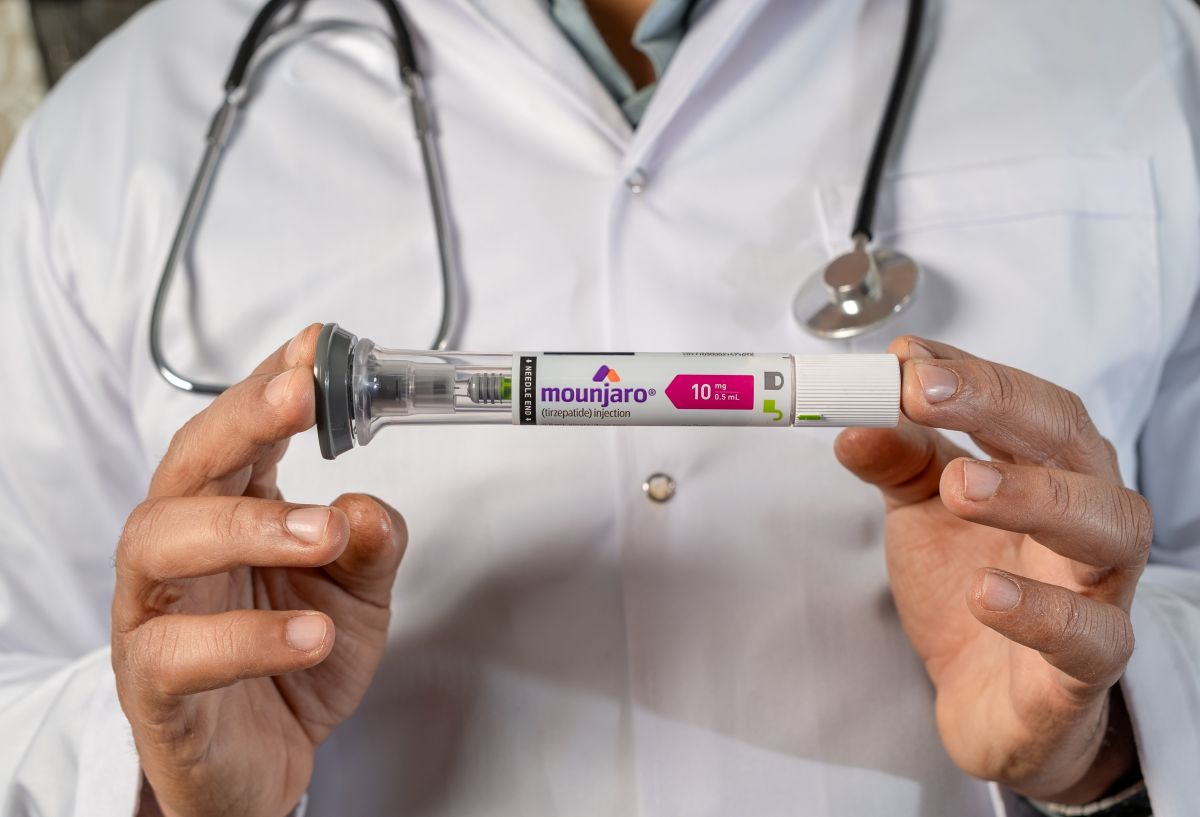
Over the last several years, GLP-1 manufacturers like Mounjaro and Zepbound have shifted from relatively niche medications used to treat Type 2 diabetes to widely prescribed weight-loss drugs. According to a KFF Health Tracking Poll, one in eight American adults say they have taken a GLP-1 medication, a number that jumps to more than one in five among adults who have been told by a doctor that they are obese or overweight within the last five years. The drugs have also been linked to numerous side effects. While most of these are relatively minor, some may be serious, including gastrointestinal diseases, blood clots, and a type of sudden-onset blindness called NAION.
If you or someone you love has had a serious health problem related to one of these drugs, a Zepbound/Mounjaro lawsuit attorney with Salvi, Schostok & Pritchard P.C. can help you demand the accountability you deserve and the compensation you need to rebuild your life.
Mounjaro and Zepbound Lawsuit Overview
Thousands of people are alleging that tirzepatide GLP-1 agonists have serious side effects and cause health issues that Zepbound and Mounjaro manufacturer Eli Lilly and Company failed to adequately warn them about prior to taking the drugs. These side effects include:
- Severe gastrointestinal issues, such as gastroparesis (slowing of the passage of food from the stomach to the small intestine) and gastrointestinal blockage
- Pancreatitis, an inflammation of the pancreas that can have severe health consequences
- Gallbladder disease, a catchall term for a variety of ailments affecting a small organ near the liver
- Deep vein thrombosis, dangerous blood clots that can lead to pulmonary embolism, which is often fatal
- Non-Arteritic Anterior Ischemic Optic Neuropathy (NAION), in which a loss of blood flow to the eyes causes a sudden loss of vision
The largest weight loss drug lawsuit against the company to date involves allegations about gastrointestinal injuries. What began as a single lawsuit against Eli Lilly and Company (as well as Norvo Nordisk, makers of the similar but distinct GLP-1 agonists Ozempic and Wegovy) has become a multidistrict litigation (MDL 3094) with thousands of individual cases.
Multidistrict litigation (MDL) is a federal procedure used to coordinate lawsuits filed in different courts that involve similar allegations, as is the case with the GLP-1 agonists and their associated side effects. The cases are transferred to one federal judge – in this case, the Honorable Karen S. Marston of the Eastern District of Pennsylvania in Philadelphia – for shared pretrial proceedings, including evidence gathering, depositions, and decisions on common legal issues. Unlike a class action lawsuit, an MDL does not combine every plaintiff into a single lawsuit. Instead, each person keeps an individual claim and must prove their own injuries and damages. Cases that do not settle or otherwise conclude during the MDL process may eventually return to their original courts for trial.
Below is a general timeline of Mounjaro and Zepbound MDL litigation, along with an overview of the allegations involved:
- August 2023 – Attorneys for Jaclyn Bjorklund, file one of the first GLP-1 lawsuits, allege that Novo Nordisk (maker of the semaglutide GLP-1 agonists Ozemipic and Wegovy) and Eli Lilly and Company (maker of the tirzepatide GLP-1 agonists Mounjaro and Zepbound) failed to adequately warn patients of the risk of severe gastrointestinal disorders associated with their drugs. The complaint alleges that Ms. Bjorklund experienced stomach pain, severe vomiting episodes, and a burning sensation in her gastrointestinal tract, requiring multiple hospitalizations. The vomiting was so severe, the attorneys said, that it caused Ms. Bjorklund to lose teeth.
- February 2024 – At least 55 lawsuits against Norvo Nordisk and Eli Lilly over failure to warn are consolidated in the Eastern District of Pennsylvania in Philadelphia. Norvo Nordisk says in a statement that they agree with the decision to draw the suits together into multidistrict litigation (MDL), although it contends that the suits are baseless. Eli Lilly, which is involved in a minority of the suits, contests being included with Novo Nordisk.
- October 2024 – The number of suits included in the MDL swells to 1,090 as more patients allege that they have suffered severe health complications as the result of Eli Lilly’s products Mounjaro and Zepbound. Eli Lilly updates Zepbound’s safety label to include warnings about studies linking the drug to severe gastrointestinal issues.
- November 2024 – On November 7, the Hon. Karen Spencer Marston signs a court order in the GLP-1 MDL, giving plaintiffs until November 18 to submit their expert reports in the case. Eli Lilly and Company and Novo Nordisk are given until December 23 to file theirs. Eli Lilly updates Mounjaro’s safety label to include a warning of Mounjaro’s association with severe gastrointestinal adverse reactions.
- December 2024 – By the beginning of the month, there are now 1,300 cases consolidated into the GLP-1 MDL. Eli Lilly updates Zepbound’s safety labels to include a warning about an increased risk of pancreatitis.
- August 2025 – The State of Texas sues Eli Lilly and Company on August 12 over an alleged kickback scheme in which the pharmaceutical company offered “free nurses” and reimbursements for doctors who pushed Mounjaro and Zepbound on their patients. Three days later, the Hon. Karen Spencer Marston issues a court order stating that she has determined that patients wishing to join the suit against Zepbound alleging gastroparesis must take a gastric emptying test to confirm their diagnosis of the condition. The next day, she orders that some of the 2,600 cases that are now included in the MDL must be amended in order to move forward.
- December 2025 – Eli Lilly updates Mounjaro’s safety label to mention a possible link between the drug and pancreatitis.
- May 2026 – The defendant drug companies in the GLP-1 MDL file a motion asking for a ruling in their favor on certain claims before going to court, arguing that the warning labels on their products were sufficient to put patients on notice. Plaintiffs disagree, alleging that the warning labels were not initially sufficient to warn about the particular negative outcomes and health concerns, such as severe gastrointestinal issues like gastroparesis and ileus.
As of the beginning of October 2026, there are now 4,025 lawsuits in the GLP-1 MDL pending.
Mounjaro vs. Zepbound
 Mounjaro and Zepbound are both types of GLP-1 agonists, a class of drugs that was originally developed to regulate blood sugar levels in people with Type 2 diabetes. Since they were first approved by the United States Food and Drug Administration (FDA) about twenty years ago, GLP-1 agonists have been found to have other applications apart from what they were originally prescribed for, including weight loss.
Both Mounjaro and Zepbound are produced by Eli Lilly and Company and feature the active ingredient tirzepatide, a dual GLP-1 and GIP receptor agonist, the latter of which is believed to have additional weight-loss benefits. This distinguishes them from similar GLP-1 products like Wegovy and Ozempic, which have the active ingredient semaglutide and are manufactured by Novo Nordisk.
The main difference between Mounjaro and Zepbound is what the FDA approved them to treat. The FDA has approved Mounjaro for people with Type 2 (sometimes called “adult-onset”) diabetes. While the FDA has not specifically approved Mounjaro for weight loss, some doctors will prescribe it off label to patients looking for that benefit. Zepbound, in contrast, has been approved for chronic weight management for obese or overweight adults who have at least one of the following conditions:
- Type 2 diabetes
- High cholesterol
- High blood pressure
- Cardiovascular disease
- Obstructive sleep apnea
Despite their different approved uses, Zepbound and Mounjaro have the same dosing mechanism, recommended dosage amount, and weekly injection schedule.
Injuries and Side Effects Alleged in Mounjaro and Zepbound Lawsuits
Labeled side effects associated with Mounjaro and Zepbound include:
- Abdominal pain
- Allergic reactions
- Belching
- Constipation
- Decreased appetite
- Diarrhea
- Hair loss
- Heartburn
- Injection-site reactions
- Nausea
- Upset stomach
- Vomiting
A study published in the medical journal Rand Health Monthly found the following:
- 52.0 percent of patients reported nausea.
- 34.3 percent of patients experienced diarrhea.
- 19.8 percent of patients reported vomiting.
- 8.5 percent of patients reported “hollowed-out face.”
In addition to these typically minor side effects, some patients have reported more serious medical complications after beginning a course of tirzepatide medications like Mounjaro and Zepbound. While these links have not been firmly established yet, both doctors and attorneys are looking into these cases closely.
Other noted injuries and health conditions include the following:
Gastroparesis/Stomach Paralysis
Gastroparesis is a disorder that slows or even stops the movement of food from the stomach into the small intestine. When the digestive tract functions normally, rhythmic muscular contractions in the stomach wall help move material along. When this process stops functioning, food can remain in the stomach for several hours or even longer, causing severe metabolic complications. The word gastroparesis means “stomach paralysis,” but the stomach is not necessarily completely paralyzed. Rather, its muscular contractions are too weak or infrequent to move food forward efficiently.
Symptoms of gastroparesis include:
- Feeling full after eating only a small amount
- Remaining uncomfortably full long after a meal
- Nausea or vomiting, sometimes of undigested food eaten hours earlier
- Abdominal bloating or excessive belching
- Upper abdominal discomfort or pain
- Heartburn or reflux
- Poor appetite
- Unintentional weight loss
Severe cases may require enteral nutrition delivered into the small intestine, intravenous nutrition, gastric electrical stimulation in selected patients, or procedures that modify the pylorus (the muscular outlet between the stomach and small intestine).
Gastroparesis is more closely associated with semaglutides like Ozempic and Wegovy, as well as diabetes, one of the most common reasons that doctors prescribe tirzepatides like Mounjaro and Zepbound. However, authors of a recent medical study titled Acute Functional Gastric Outlet Obstruction Associated With Low-Dose Tirzepatide identified a case of gastroparesis in a patient they believe was linked to tirzepatide use rather than diabetes because his condition was already well controlled. Furthermore, the patient first presented symptoms soon after beginning a course of treatment.
Gastrointestinal Obstruction and Ileus
Gastrointestinal obstruction and ileus both interfere with the movement of food, fluid, digestive secretions, and gas through the digestive tract. The key difference is the underlying mechanism.
A mechanical gastrointestinal obstruction involves something physically blocking or narrowing the intestine. An ileus (also called paralytic ileus), on the other hand, is a term for when intestinal muscles temporarily stop producing the coordinated contractions that propel material forward. While ileus involves no physical blockage, the bowel behaves as though one were present.
Either condition can cause material to accumulate above the affected area, resulting in the intestine becoming painfully distended with fluid and gas. At the same time, vomiting and reduced absorption can produce dehydration and electrolyte abnormalities.
Symptoms of these conditions can include:
- Abdominal swelling or distention
- Nausea and vomiting
- Abdominal pain or discomfort
- Constipation
- Reduced or absent passage of gas
- Poor appetite
- Dehydration
The most serious complication is strangulation, in which an obstruction cuts off blood flow to part of the intestine. The affected tissue can die, perforate, and release intestinal contents into the abdominal cavity, which can cause peritonitis, sepsis, shock, and even death. Surgery may be necessary to address serious obstructions.
Research has suggested a link between tirzepatide use and both mechanical obstructions and ileus. A letter to the editor published in American Family Physician described a patient who was hospitalized with a partial obstruction of the small bowel that may have been caused by the woman’s increasing dosage of Mounjaro. The writers noted that a 2023 cohort study had shown serious gastrointestinal events like bowel obstruction in people taking medications similar to tirzepatide and that the FDA had added a warning to boxes of the semaglutide Ozempic in September 2023 for this reason. They also noted two other case reports from 2023 that involved bowel obstructions in patients who had been taking tirzepatide medications.
Pancreatitis
Pancreatitis is inflammation of the pancreas, an organ located behind the stomach. The pancreas produces digestive enzymes that help break down food in the small intestine. It also releases hormones that regulate blood glucose, including insulin and glucagon.
Pancreatitis develops when the pancreas becomes inflamed, injuring its tissues. In acute pancreatitis, this process begins suddenly and may resolve completely. Chronic pancreatitis involves persistent or repeated injury that causes irreversible scarring and gradually impairs the organ’s digestive and hormonal functions.
Symptoms of pancreatitis include:
- Nausea and vomiting
- Abdominal swelling or tenderness
- Fever
- Rapid heartbeat
- Low blood pressure
- Dehydration
- Difficulty breathing (in severe cases)
Acute pancreatitis can lead to dehydration, kidney injury, respiratory failure, shock, pancreatic tissue death, infected necrosis, and systemic organ failure. Fluid can also collect around the pancreas and form a pseudocyst, which can become infected, bleed, rupture, or press against nearby organs.
Chronic pancreatitis can cause exocrine pancreatic insufficiency, in which the pancreas no longer produces enough digestive enzymes. Consequences may include malnutrition, weight loss, fragile bones, and vitamin deficiencies. Damage to insulin-producing cells can cause diabetes. Chronic pancreatitis also increases the risk of pancreatic cancer.
A paper published in the medical journal Cureus in December 2024 discussed a 59-year-old male patient who presented worsening pancreatitis shortly after transitioning from the semaglutide GLP-1 Ozempic to the tirzepatide Mounjaro. The authors noted that while pancreatitis remained a rare side effect meriting more study, they specifically warned of the potential risk when switching from one GLP-1 medication to another.
Gallbladder Disease
Gallbladder disease is a broad term for conditions affecting the gallbladder, a small, pear-shaped organ beneath the liver. The liver produces bile, a fluid that helps the small intestine digest fats. The gallbladder stores and concentrates bile, then releases it through the bile ducts when food enters the digestive system.
Most gallbladder disease involves gallstones or problems with bile flow. Depending on where an obstruction occurs, it can lead to:
- Acute cholecystitis, in which a persistent blockage causes inflammation and possibly infection
- Gallbladder gangrene or perforation, where severe inflammation compromises blood flow, kills tissue, and creates a hole in the gallbladder
- Choledocholithiasis, in which a stone in the common bile duct prevents normal bile drainage.
- Cholangitis, in which bacteria can infect an obstructed bile duct and enter the bloodstream, causing sepsis.
A medical study published in the Swiss Journal Frontiers in Endocrinology used a meta-analysis of nine trials comparing control groups with patients taking tirzepatides like Mounjaro and Zepbound and found that tirzepatides nearly doubled the risk factor for developing gallbladder or biliary disease.
Venous Thromboembolism (Deep Vein Thrombosis and Pulmonary Embolism)
Deep vein thrombosis (DVT) occurs when a blood clot forms in a deep vein, most commonly in the lower leg, thigh, or pelvis. Less commonly, a DVT can develop in an arm or a deep vein in another body part. Unlike a superficial clot near the skin, a DVT can obstruct major venous blood flow and cause serious complications, that in severe cases, may require amputation. Blood normally moves from the limbs back toward the heart through the veins. Muscle contractions help propel it forward, while small valves prevent it from flowing backward. A clot can form when blood flow slows, a vein is damaged, or the blood becomes more prone to clotting.
A pulmonary embolism (PE) occurs when part of a clot breaks loose, travels through the bloodstream and heart, and becomes lodged in an artery supplying the lungs. Most pulmonary emboli originate as a deep vein thrombosis in the leg or pelvis. Part of the clot breaks free, passes through the right side of the heart, and enters the pulmonary arteries.
A PE can reduce blood flow through the lungs, interfere with oxygen exchange, and force the right side of the heart to pump against increased pressure. Its severity can range from a small clot causing limited symptoms to a massive obstruction that results in sudden death.
Together, DVT and PE are known as venous thromboembolism (VTE).
Symptoms of DVT can include:
- Swelling of one leg or arm
- Pain, tenderness, cramping, or aching
- Warmth over the affected area
- Redness or discoloration
- Enlarged or more visible surface veins
Symptoms of pulmonary embolism can include:
- Unexplained shortness of breath
- Sharp chest pain, particularly pain that worsens with a deep breath
- Rapid breathing or heartbeat
- Coughing, sometimes with blood
- Lightheadedness, fainting, or confusion
- Sweating or a sense of severe anxiety
- Low blood-oxygen levels
VTE leads to more than 100,000 annual deaths in the United States, according to Johns Hopkins Medicine. Pulmonary embolism has a 30 to 60 percent fatality rate, and as many as 60 percent of VTE patients develop complications like post thrombotic syndrome, a long-term condition resulting in pain, swelling, and discoloration. In severe cases, patients can develop ulcers in the affected limbs.
A paper published in the Journal of Clinical Endocrinology and Metabolism Case Reports discussed a
57-year-old woman who developed DVT in her upper left extremity within a few months of starting tirzepatide. The authors describe another case where a 20-year-old man prescribed tirzepatides for weight loss developed DVT in his lower left extremity. They note that neither patient had a personal or family history that would suggest they were at heightened risk of developing DVT. Furthermore, neither reported any of the common risk factors for DVT, such as recent surgeries or air travel. They caution other clinicians to be especially vigilant when prescribing tirzepatides like Mounjaro and Zepbound and monitoring those patients, as we are still early enough in the drugs’ wide adoption that their event profiles are still emerging.
Other studies have already found a 266 percent increased risk factor of DVT in those taking semaglutide GLP-1 drugs like Ozempic and Wegovy.
Another paper published in BMJ Case Reports in July 2025 discussed what the authors believed was the first case of PE that might be linked to tirzepatide use. The authors describe a female patient in her early 40s who developed a pulmonary embolism after 20 days on Mounjaro. As with the patients discussed above, the woman did not have a history of risk factors for VTE.
Non-Arteritic Anterior Ischemic Optic Neuropathy (NAION)
Non-arteritic anterior ischemic optic neuropathy (NAION) is an injury to the optic nerve caused by inadequate blood flow to its front portion, called the optic disc. The optic nerve carries visual information from the eye to the brain. When its blood supply falls below a critical level, nerve fibers become swollen and damaged, causing sudden vision loss. NAION generally affects one eye at a time and is often referred to as an “eye stroke” because it results from a reduction in blood flow to the eye.
“Non-arteritic” means the condition is not caused by inflammation of an artery. This distinguishes NAION from arteritic anterior ischemic optic neuropathy, a less common condition usually associated with giant cell arteritis.
Symptoms of NAION may include:
- A dim, blurred, or shadowed area of vision
- Loss of vision in the upper or lower portion of the visual field
- Reduced central vision
- Decreased color intensity or contrast
- Difficulty seeing in low-contrast conditions
NAION is one of the most frequently cited complications associated with GLP-1 drugs like Ozempic, Wegovy, Zepbound, and Mounjaro. A large study published in JAMA Network Open in August 2025 observed a population of 15,398 matched patients with Type 2 diabetes, including equal numbers of patients on GLP-1s (either semaglutides like Ozempic and Wegovy or tirzepatides like Mounjaro and Zepbound) and those in the control group. About twice as many patients on GLP-1s developed NAION or other optic disorders compared to those in the control group. While these still comprised just a small percentage of the overall patient population, the study authors noted that “patients prescribed semaglutide or tirzepatide had an increased risk of NAION and other optic nerve disorders.” They noted that the link deserved careful monitoring.
Who May Qualify for a Mounjaro or Zepbound Lawsuit?
 You could be entitled to file a Mounjaro and Zepbound lawsuit if you took one of these popular GLP-1 agonists and developed certain severe medical conditions as a result. These include:
- Gastroparesis, or stomach paralysis, in which food does not pass from the stomach into the small intestine as it should
- Intestinal or bowel obstructions, particularly ileus, in which food can’t move through the gastrointestinal tract despite there being no physical blockage
- Other severe gastrointestinal issues, like chronic, severe vomiting
- Severe gallbladder disease or pancreatitis requiring surgery
- Non-arteritic anterior ischemic optic neuropathy (NAION), a type of sudden permanent vision loss also called “eye strokes”
You must also have been prescribed the drug before its safety label sufficiently warned of the increased risk of the condition you developed, or without proper instructions about its dangers from your healthcare provider. Finally, you must bring your claim within the relevant statute of limitations in your state. For example, in Illinois, you have two years from the date of your diagnosis, but no longer than 10 years from the drug’s first date of sale or 12 years from its date of manufacture, whichever is earlier (735 ILCS 5/13-213).
What Do You Have to Prove in a Mounjaro or Zepbound Lawsuit?
A Mounjaro or Zepbound lawsuit is a particular type of defective product claim alleging that Eli Lilly and Company, the manufacturer of these medications, failed to adequately warn consumers and doctors about their drugs’ specific potential side effects and their potential severity. By failing to provide those warnings, the company left patients unable to make a truly informed decision about their medical care. A suit may also involve allegations that the company made misrepresentations about the drug or fraudulently concealed information about it.
The specific elements you must prove to win your case depend on the legal theory or theories your attorney brings your claim under, such as strict liability, negligence, or fraud. For example, a successful failure-to-warn claim should establish:
- Eli Lilly and Company did not give you or your doctor enough information about Mounjaro or Zepbound’s potential side effects before you were prescribed the medication.
- You developed a serious medical condition as a direct result of the drug, such as gastroparesis, a bowel obstruction, or non-arteritic anterior ischemic optic neuropathy.
- You suffered measurable harm because of the medical condition, such as the cost of additional medical treatment, lost income from being unable to work, and the pain and suffering you endured because of the ailment.
An attorney with Salvi, Schostok & Pritchard P.C. can explain the specifics we will need to prove in your claim during your free consultation.
What Evidence Is Needed for a Claim?
To win your Mounjaro or Zepbound claim, you will need evidence establishing that you were prescribed the medicine, took it according to instructions, suffered harm as a result, and can quantify that harm. This evidence might include:
- Medication records showing when you were prescribed Mounjaro or Zepbound and what transpired during your consultations
- Testimony from your doctor about your treatment course, including when it began and what they told you prior to writing your prescription
- Drug packaging proving you were not given sufficient information about the drug’s possible side effects
- Diagnostic testing results establishing the condition you developed due to taking Zepbound or Mounjaro, such as the results of a gastric emptying test, particularly if you are joining the GLP-1 MLD
- Other medical records showing when you sought additional treatment for your developing condition and what that entailed
- A “pain journal” tracking when you started noticing your symptoms and the discomfort they caused you over time
- Medical bills establishing the cost of the treatment you needed because of your condition
- Income records showing the money you could not earn if you missed time at work, such as pay stubs, old tax returns, and communication with your employer
Fortunately, you do not have to gather all this evidence on your own. Your Mounjaro or Zepbound lawyer can work with your medical providers and other parties to assemble much of this evidence on your behalf, reaching out to you as needed throughout the process. Contact Salvi, Schostok & Pritchard today to begin your legal process.
Compensation Recoverable in Mounjaro and Zepbound Lawsuits
The financial compensation you could recover in a Mounjaro or Zepbound lawsuit depends on the specific harms you’ve suffered because of the drug you were prescribed. To start with, it can cover the economic damages you’ve suffered, such as:
- Past medical expenses for the care you’ve already received, such as hospitalizations, tests, specialist appointments, surgeries, and prescriptions
- Future medical needs for care you will likely need later due to chronic gastroparesis, recurrent intestinal issues, vision problems, and other long-lasting effects of your condition
- Lost income if your condition or its symptoms caused you to miss work while you were getting treatment
- Reduced earning potential if your condition leads to a long-term impairment that prevents you from working as you did before or advancing your career
- Home care and household assistance necessitated by long-term impairment, such as help cleaning your home, cooking your meals, getting to and from appointments, and raising your children
- Accessibility costs if your claim involves vision problems, such as for orientation training, home modifications, or a seeing-eye dog
- Nutritional expenses if your claim involves a gastrointestinal ailment and you need to go on a special diet to manage your symptoms
In addition to the losses that have a set monetary value, you can obtain compensation for harms you may have suffered because of your medical condition that do not have an obvious financial value. These non-economic damages can be every bit as profound and debilitating as the ones above. Your compensation can also cover these harms, such as:
- Pain and suffering, or the discomfort caused by symptoms like abdominal pain, vomiting, bloating, constipation, invasive procedures, surgical recovery, headaches, eye pain, and the functional consequences of partial or total vision loss
- Emotional harm, or the psychological harm your medical condition causes you, such as anxiety, depression, and embarrassment due to gastrointestinal problems
- Loss of consortium if your condition affects your relationship with certain close family members, particularly your spouse
- Reduced enjoyment of life because your medical condition prevents you from engaging in your favorite activities or otherwise returning to your pre-condition lifestyle
A Mounjaro lawyer with Salvi, Schostok & Pritchard P.C. can give you a better idea of the specific types of compensation you might be entitled to when we review your case during your free consultation.
How Much Does a Mounjaro/Zepbound Lawyer Cost?
Serious medical conditions come with serious expenses, and you’re naturally worried about the added cost of hiring an experienced dangerous drugs attorney to help with your claim. The good news is that you should not have to pay out of pocket to do so. At Salvi, Schostok & Pritchard P.C., we work on a contingency fee basis, which means we only charge you a fee after we win your Mounjaro or Zepbound injury claim.
Instead of paying us a retainer or an hourly rate, the amount you pay is a percentage of the compensation we recover on your behalf. We discuss our contingency fee with you before you sign any contract. That way, you know exactly what to expect, and you don’t have to worry about any surprises down the road.
How a Mounjaro/Zepbound Lawyer Can Help
If you’re dealing with a serious medical condition because you took Zepbound or Mounjaro, you could be entitled to compensation from Elli Lilly and Company. A Mounjaro and Zepbound lawyer can pursue legal action for you, giving you the time and space you need to concentrate on treating your condition. While you do that, the legal team at Salvi, Schostok & Pritchard P.C. can:
- Review the timeline of safety label updates to determine what information was publicly available at the time you were prescribed
- Work with your medical team to understand what they knew about the drug and its dangers prior to prescribing it to you
- Gather test results to establish the nature and severity of your medical condition and work with medical experts to link that to Mounjaro or Zepbound
- Calculate the fair compensation you’re entitled to based on the financial and personal harms you’ve suffered
- Determine if it would be in your best interests to join the GLP-1 multidistrict litigation (MDL 3094) or pursue your claim independently
- File your complaint in the appropriate venue to begin the litigation process
- Represent you during any settlement negotiations with Eli Lilly and Company and coordinate with other attorneys as necessary to pursue your claim to its fullest
- Communicate with you throughout the legal process so you always know exactly where your claim stands and what to expect next
- Never charge you a fee unless and until we recover compensation on your behalf
Contact Salvi, Schostok & Pritchard P.C. today to begin your free, no-obligation consultation. We’re available 24/7 to take your call, and we look forward to hearing from you soon.
Is Mounjaro the same as Zepbound?
Mounjaro and Zepbound have the same active ingredient, called tirzepatide, and are both manufactured by Eli Lilly and Company. They are agonists, a type of drug that binds to a cell receptor and activates it to a particular response. They mimic two hormones within the body: glucagon-like peptide-1 (GLP-1), which activates after you eat to manage digestion and blood sugar levels, and glucose-dependent insulinotropic polypeptide (GIP), which stimulates insulin secretion. Both have the same recommended dosage and dosing schedule.
The primary difference from a practical standpoint is that the FDA has approved Mounjaro to help treat Type 2 diabetes and reduce the risk of certain cardiovascular conditions, while it has approved Zepbound for weight management and moderate-to-severe sleep apnea. Still, some doctors will prescribe Mounjaro off-label for its weight-loss benefits.
Are Mounjaro and Zepbound the same thing as Ozempic and Wegovy?
Mounjaro/Zepbound and Ozempic/Wegovy are all GLP-1 agonists that mimic certain hormones within the body to slow digestion, send the body signals that it’s full, and manage blood sugar levels. However, they have different active ingredients and are made by different companies. Ozempic and Wegovy are semaglutides manufactured by Novo Nordisk, while Mounjaro and Zepbound are tirzepatides manufactured by Eli Lilly and Company. While Ozempic and Wegovy imitate the hormone GLP-1, Mounjaro and Zepbound also imitate another hormone, GIP, which is why they might be more effective in reducing blood sugar levels and supporting weight loss.
What are the most common side effects associated with Mounjaro and Zepbound?
Common side effects associated with tirzepatides like Mounjaro and Zepbound include the following:
- Decreased appetite
- Heartburn
- Upset stomach
- Nausea
- Belching
- Constipation
- Diarrhea
- Vomiting
- Abdominal pain
- Hair loss
- Injection-site reactions
- Allergic reactions
However, some patients report more severe complications, including the development of serious gastrointestinal complications like gastroparesis, in which the contractions that move food from the stomach into the small intestine become weak or infrequent, causing food to sit undigested in the stomach. Some patients also report bowel obstructions, particularly ileus, in which the intestine cannot push material through the gastrointestinal tract despite there not being a physical blockage.
Another reported serious side effect is non-arteritic anterior ischemic optic neuropathy, or NAION. Also called “eye stroke” because of the mechanism of injury, NAION involves sudden and painless blindness in one eye due to loss of blood flow to the optic nerve. The condition does not always affect the entire field of vision, but the consequences are typically permanent.
How much is my Mounjaro or Zepbound lawsuit worth?
It’s difficult to say how much your lawsuit could be worth without a thorough review of your unique case. Many factors can affect a case’s value, from the severity of a patient’s medical condition to the strength of their evidence to their age at the onset of their condition. Salvi, Schostok & Pritchard P.C. offers free consultations, so you can learn more about how much your case could be worth at no cost or obligation.
Are Mounjaro and Zepbound lawsuits being filed as a class action?
Currently, Mounjaro and Zepbound lawsuits are being handled as multidistrict litigation (MDL), not as a traditional class action suit. Whereas a class action is a single lawsuit brought on behalf of a large number of people who suffered a common harm, the cases in an MDL remain individual, with a federal court coordinating shared aspects to streamline the litigation process. Verdicts and settlements represent the specific harm that each person suffered, rather than a single settlement or award being shared among all claimants.
Cases involving gastrointestinal issues like gastroparesis specifically are being coordinated through MDL Number 3094 in the Eastern District of Pennsylvania in Philadelphia under the Hon. Karen Spencer Marston. Norvo Nordisk, the maker of Ozempic and Wegovy, is a defendant alongside Eli Lilly and Company, which manufactures Zepbound and Mounjaro.
Can I still recover compensation if I was told about the medication’s side effects?
One of the key allegations in most Mounjaro and Zepbound lawsuits is that Eli Lilly and Company failed to adequately warn consumers about the possible side effects of taking these drugs. Eli Lilly has argued that it did warn about gastrointestinal conditions associated with GLP-1 agonists. Claimants and their attorneys have pushed back on this argument, saying that the company failed to warn them of the specific gastrointestinal conditions that the medications could lead to, as well as how severe those conditions might be. Furthermore, some attorneys have argued that the sheer extent and type of advertising promoting these drugs is misleading consumers about their safety and efficacy.
In other words, you could still be entitled to compensation even if you were told about side effects, provided that you were not given enough information to make a truly informed decision. Rather than assume that you have no case because you were told about possible side effects, contact Salvi, Schostok & Pritchard P.C. and let us review your unique situation during a free consultation.
How should I prepare for my free consultation with a Mounjaro and Zepbound lawyer?
The more information that you can provide to your prospective lawyer during your case review, the more accurately they can answer your questions and explain your options. Start by writing down a timeline of your case: when your doctor prescribed the medication to you, what you talked about prior to the prescription, when you first noticed concerning symptoms of possible side effects, and how those symptoms have developed over time. Also, keep the medication’s packaging if you still have it. Gather copies of your medical bills and anything else that might show the financial harm you’ve suffered because of your condition. It can also help to write down any questions you might have about your case and how it might progress so that you can make the most of your initial consultation.