
Types and Causes of Car Accidents
Last Updated on May 26, 2026 by Patrick A. Salvi II
If you were involved in a traffic collision in Illinois, it is very likely that the insurance company already has strategies in place to limit what they pay. Insurance companies might question your injuries, shift the blame, or push you to settle for less than you are owed, but you do not have to let them take control. It is also worth knowing how a car accident affects your driving record in Illinois, since insurers often use your record history against you when disputing liability or calculating payouts.
A Chicago car accident lawyer from Salvi, Schostok & Pritchard P.C. can investigate the crash, identify the cause, and fight to hold the responsible party or parties accountable. Contact us today for a free consultation to learn more about how we can help you demand the recovery you deserve.
Prevalent Causes of Motor Vehicle Crashes in Illinois
Illinois drivers face a wide range of risks on the road. Many of them stem from common, preventable behaviors and bad choices that drivers make behind the wheel. Here is an overview of some of the most common causes of auto accidents in Illinois:
- Driver Distraction: Distracted driving causes thousands of fatal crashes every year. According to the National Highway Traffic Safety Administration (NHTSA), 3,275 people died in one recent year alone due to distracted driving. Taking your eyes off the road for even a few seconds substantially increases the risk of a collision. Many drivers do not realize how dangerous these split-second distractions can be until it is too late.
- Speeding: Exceeding the posted speed limit or driving too fast for the conditions reduces your ability to stop or react in time. Speeding is a leading cause of crashes and injuries on Illinois roads. Teen drivers are especially at risk, as they are more likely to speed and be involved in speed-related accidents. Crashes involving speeding often occur at intersections or during lane changes, especially when traffic is heavy or weather conditions are poor.
- Failure to Yield: Some drivers treat traffic signals as optional. Running red lights or failing to yield can cause violent collisions, especially when cross-traffic has already started moving.
- Driving Under the Influence: Despite years of public safety campaigns, drunk driving still causes many serious crashes in Illinois. Drunk driving statistics from the Illinois Department of Transportation show that more than one in five fatal collisions in one recent year in Illinois were alcohol-related.
- Following Too Closely: When a driver tailgates, their ability to react is limited if the car ahead suddenly slows or stops. Rear-end collisions are a common result of this kind of behavior, especially during rush hour or in construction zones.
- Driving While Drowsy: Some drivers push through fatigue instead of making the safe choice and pulling over to rest. Falling asleep at the wheel or even simply zoning out from exhaustion can lead to high-speed crashes and serious injuries.
- Failing to Adjust for Weather: Ice, snow, and rain all affect traction and visibility. Inclement weather and poor weather conditions create hazardous driving environments, increasing the risk of single-vehicle and multi-vehicle crashes. Drivers who fail to slow down or leave extra space in these conditions put everyone around them at risk.
Classifications of Vehicle Impacts and Associated Injuries
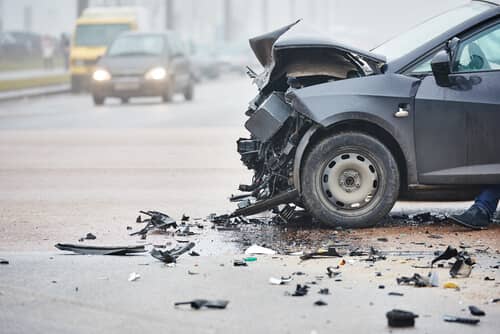
Understanding the most common types of vehicle collisions can help you stay safer behind the wheel and identify the factors that contribute to a crash if you are ever involved in one. Some of the most prevalent types of car accidents that occur in Illinois include:
- Rear-End Collisions: A rear-end collision happens when one vehicle crashes into the back of another, often due to tailgating or sudden braking. Most rear-end crashes occur in stop-and-go traffic and cause injuries like whiplash or concussions that result from the sudden jolt.
- T-Bone Crashes: A T-bone crash occurs when the front of one vehicle crashes into the side of another, usually in an intersection. These collisions frequently occur when drivers run red lights or fail to obey a stop sign. Same-side occupants involved in these crashes can suffer broken bones, head injuries, internal damage, or even death from the force of the impact.
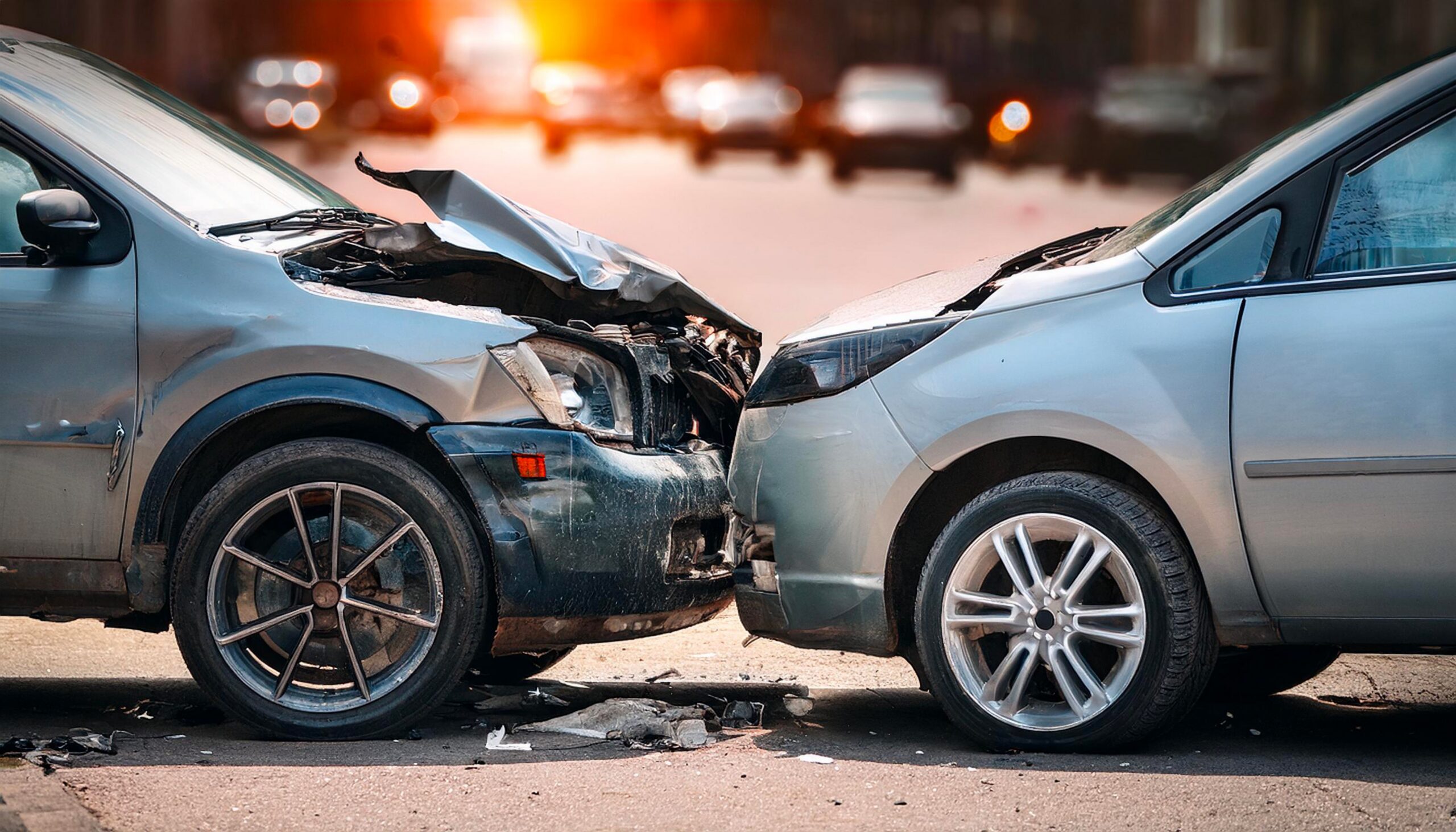
- Head-On Collisions: A head-on collision occurs when two vehicles crash head-on, often due to wrong-way driving or lane departures. These crashes can cause severe trauma, including spinal cord injuries, crushed limbs, or even fatal wounds due to the extreme force of impact.
- Sideswipes: A sideswipe happens when two vehicles traveling next to each other make side-to-side contact, usually during a lane change or drift. Even at moderate speeds, sideswipe crashes can lead to neck, shoulder, or side-impact injuries.
- Single-Car Crashes: A single-car crash involves one vehicle crashing into a fixed object, rolling over, or running off the road. Drivers and passengers involved in these collisions can suffer lacerations, fractures, or serious head injuries depending on the speed and angle of the crash.
- Multi-Vehicle Pileups: A multi-vehicle pileup occurs when several cars crash in a chain reaction, often during poor visibility or slick road conditions. These high-impact collisions can cause a mix of broken bones, chest injuries, or worse, especially if cars get crushed in between others. Determining fault can be complex due to the number of parties involved and the need to gather evidence from all drivers and witnesses.
- Rollovers: Rollover accidents happen when a vehicle tips onto its side or roof, often due to speeding, turning too sharply, or hitting a curb or median. Violent crashes like these can lead to spinal injuries, crushed limbs, or ejection-related trauma for vehicle occupants.
- Parking Lot Crashes: These collisions happen when drivers back out or turn without checking for nearby vehicles or pedestrians in parking lots or garages. They often lead to minor injuries like bruises or soft tissue strain for vehicle occupants, but pedestrians can suffer much worse.
Establishing Negligence and Liability in Traffic Claims
Negligence is a legal term for the failure to show the same level of care that a reasonable person would use in a similar situation. Examples of negligent behavior in traffic cases can include speeding, failing to yield, or driving while distracted. Many car accidents are caused by negligent actions, which form the basis for liability in a car accident case. Liability is a party’s legal obligation to pay for any harm they cause as a result of their negligence.
When you file a traffic collision claim in Illinois, you must prove that the other party was negligent and responsible for compensating you for your losses, such as medical bills, lost wages, and pain and suffering. Meeting this legal threshold can be difficult, especially when conflicting stories emerge and insurance companies move quickly to limit their liability.
An experienced personal injury lawyer can help you establish negligence in your traffic claim by preserving key evidence, working with experts, and pushing back against insurers that try to avoid paying fair compensation. If the other side refuses to play fair, your attorney can take your case to court and demand accountability.
Contact Our Chicago Car Accident Attorneys
If you were hurt in an Illinois car crash, the legal team at Salvi, Schostok & Pritchard P.C. is here to help you take action and hold the responsible party accountable. Our team has recovered more than $3.5 billion for people like you, and we are ready to review your case at no cost. Contact us now to arrange your free initial consultation.