
Chicago Slip and Fall Lawyer
Last Updated on November 2, 2026 by Patrick A. Salvi II
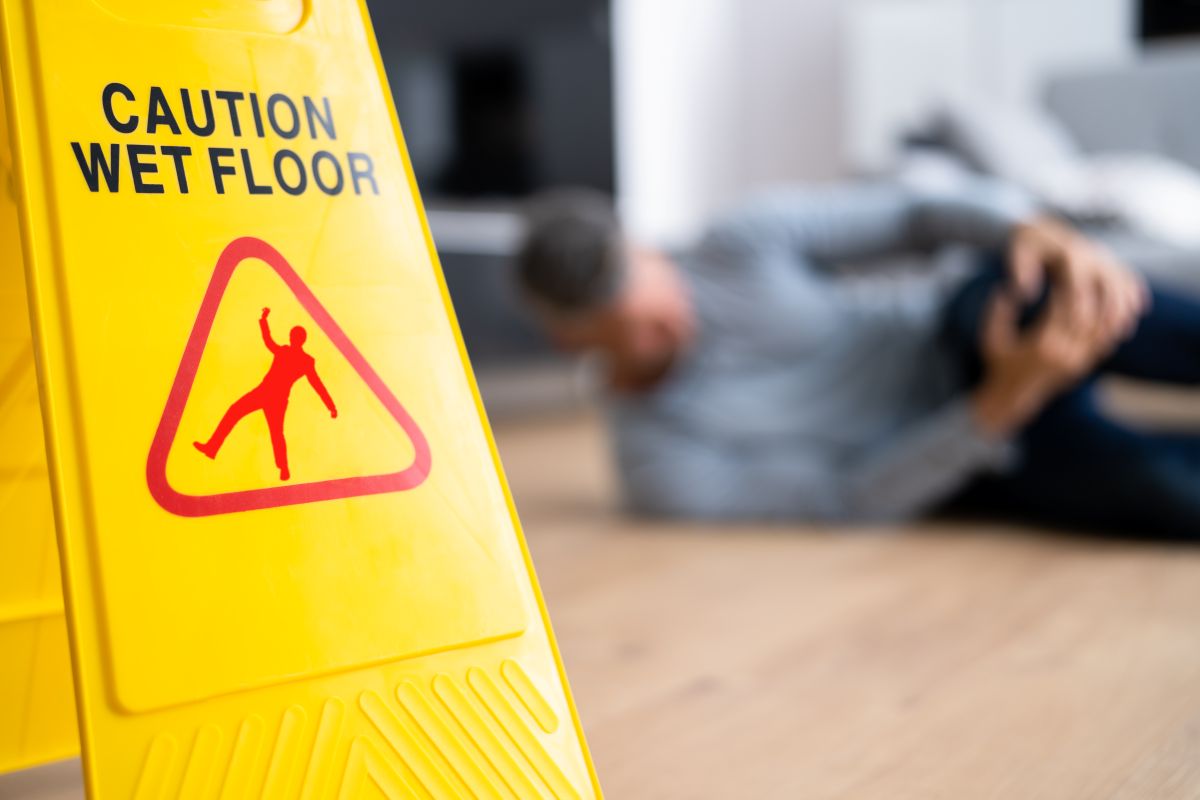
A dangerous fall can come as a serious shock, and its effects can be long-lasting. One moment, you are walking through a grocery aisle or climbing the stairs in your apartment building. The next, you are on the ground with a severe injury. Many people feel embarrassed and want to brush it off, but a serious fall can change your health, your work, and your independence for months or even years.
Falls pose an especially serious danger for older adults. According to the Centers for Disease Control and Prevention (CDC):
- More than one in four adults age 65 and older falls each year.
- Falls among older adults lead to about 4.5 million emergency department visits annually.
- Falls cause 83 percent of hip fracture deaths in this age group.
When a property owner leaves a dangerous condition unaddressed, the law may hold the owner responsible for the resulting harm under premises liability laws. A Chicago slip and fall lawyer at Salvi, Schostok & Pritchard P.C. can investigate what caused the fall, gather the evidence before it disappears, and pursue the compensation you need to recover. Contact us today to get started with a free, no-obligation consultation.
Why Should I Hire a Slip and Fall Attorney from Salvi, Schostok & Pritchard PC?
Since 1982, the law firm of Salvi, Schostok & Pritchard PC has fought for injured people across Chicago and Illinois. We have recovered more than $3.5 billion for our clients, including the largest jury verdict for compensatory damages ever awarded to an individual plaintiff in Illinois state history. We also have more than 400 verdicts and settlements of $1 million or more. Our diverse team of trial lawyers has the skill and resources to stand up to property owners, businesses, and their insurance companies. Our consultations are free, and you will pay no attorney fees unless we recover money for you.
When you call us, our legal team will move quickly. We can visit the scene and photograph the hazard before someone repairs it. We can identify witnesses and request records showing that the property owner knew or should have known about the dangerous condition that harmed you. We will handle every call from the insurance company so you can focus on your recovery, taking as much stress off you as possible.
Some of our most notable results for people hurt in falls and other premises liability incidents include the following:
The attorneys at Salvi, Schostok & Pritchard have recovered a number of notable results for people hurt in falls and other premises liability incidents including a record-setting jury verdict of $148 million jury, and confidential settlements of $16 million, $4.5 million, $2.4 million and $1 million.
Prior results do not guarantee or predict a similar outcome. The verdicts and settlements described on this website are examples of past results only. Every case is different and is decided on its own facts, and Salvi, Schostok & Pritchard P.C. makes no representation that it can obtain the same results in other legal matters. This website is attorney advertising and provides general information only; it does not create an attorney-client relationship. Read our full disclaimer.
Prior results do not guarantee a similar outcome, but they do show how hard we work for our clients. This testimonial from one former client, Rene, also illustrates the kinds of experiences people have when they work with our slip and fall attorneys:
“In 2016, I was injured in a fall and suffered a bad injury. I was referred to Salvi, Schostok & Pritchard. It’s hard to find counsel that not only represents your best interests but truly cares about you. Salvi, Schostok & Pritchard not only helped me obtain the compensation I needed for my injuries, but their entire legal team went beyond the call of duty to help me in my case.”
Learn more about what it’s like to work with us when you call for your free consultation today.
What Must You Prove in a Slip & Fall Case in Illinois?
Not every fall leads to a valid legal claim. People sometimes trip over their own feet or slip on a surface that any careful person would have noticed. The law does not make property owners guarantee that no one will ever get hurt. However, Illinois does require owners and occupiers to act responsibly. Under the Illinois Premises Liability Act, 740 ILCS 130/2, they owe people who lawfully enter their property a duty of reasonable care under the circumstances.
In practical terms, a successful slip and fall case in Illinois usually shows that:
- A dangerous condition existed on the property, such as a wet floor, a torn carpet, a broken step, or an icy walkway.
- The owner or the people in charge of the property knew about the hazard, created it, or should have discovered it through reasonable inspections.
- The owner failed to fix the problem, block it off, or warn visitors about it.
- The hazard caused you to fall and suffer an injury.
Property owners show carelessness in many ways. For example, a grocery store might let spilled juice sit on the floor for an hour while employees walk past it. A landlord might ignore tenant complaints about a loose stair tread. A restaurant might mop the floor during a busy lunch rush without putting out a single warning sign. Each of these choices puts visitors at risk.
The second bullet point above, which lawyers call “notice,” often determines the outcome of a slip and fall accident claim. Insurance companies frequently argue that the owner had no idea the hazard existed and no fair chance to clean it up. That is why the evidence of notice deserves careful attention.
You may also hear the phrase “open and obvious.” Property owners often argue that they had no duty to warn about a hazard that any visitor would have noticed, such as a large pothole in broad daylight. Illinois courts do not treat this defense as an automatic win for the owner, though. A hazard may not look obvious in poor lighting, on a crowded sidewalk, or when a store display draws shoppers’ eyes away from the floor. A slip and fall attorney from our personal injury firm can look closely at the full scene, not just the hazard itself, to show what a reasonable person would and would not have seen.
What Evidence Shows the Property Owner Knew About the Hazard?
Illinois recognizes two kinds of notice. Proving either one can satisfy this part of a premises claim.
Actual Notice
Actual notice means the owner or an employee truly knew about the danger before the fall. Evidence of actual notice might include:
- Earlier complaints – A customer might have reported a leaking cooler, or a tenant might have emailed the landlord about a broken handrail weeks before anyone got hurt.
- Employee knowledge – A worker might admit seeing the spill, or a manager might have placed a cone near the hazard and then removed it too soon.
- Repair requests and work orders – Maintenance records can show that the owner identified a problem but never got around to fixing it.
- A hazard the owner created – When a store employee spills a product or a cleaning crew leaves a floor wet, the law treats the owner as knowing about the danger.
Constructive Notice
Constructive notice means the owner should have known about the danger, even if no one visibly saw it. Courts often frame this as a simple question: how long was the hazard on the floor? If a puddle sat in a busy aisle long enough that a reasonable inspection would have caught it, the owner is unlikely to avoid responsibility by claiming ignorance. On the other hand, if a spill happened seconds before the fall, the owner might not have had a fair chance to respond.
Several types of evidence can help answer the “how long” question:
- Surveillance video – Security footage can show exactly when a spill happened, how many employees walked past it, and whether anyone tried to clean it up.
- Inspection and sweep logs – Many stores require employees to check aisles on a set schedule, and missing or incomplete entries can reveal a gap in safety checks.
- Incident reports – The report a business completes after a fall often records the condition of the floor, the lighting, and what employees saw.
- The condition of the hazard itself – Footprints, cart tracks, dirt, or dried edges in a spill can suggest that it sat there for some time.
- Witness statements – Other shoppers, tenants, or workers may remember seeing the same hazard earlier in the day.
Much of this evidence does not last long. Many businesses record over their surveillance footage within days or weeks. An experienced personal injury lawyer can send preservation letters right away to demand that the property owner preserve video, logs, and reports before they are lost. In one of our Cook County ice cases, surveillance video captured the fall itself and helped us build a strong argument for our client.
Who Can Be Held Liable for Your Slip and Fall?
Responsibility depends on who owned, controlled, or maintained the area where the fall happened. Depending on the situation, potentially liable parties might include:
- Property owners – The owner of a home, store, office building, or apartment complex holds the basic duty to keep the property reasonably safe.
- Businesses that lease space – Tenant businesses like restaurants and retail stores often control their own floors and entrances, so they may bear responsibility even if they do not own the building.
- Property management companies – Many landlords hire managers to handle repairs and inspections, and a manager that ignores problems can share the blame.
- Condo and homeowners’ associations – Associations typically control common areas such as lobbies, hallways, sidewalks, and parking lots.
- Maintenance, cleaning, and snow removal contractors – A contractor that creates wet or slippery floors or piles snow where it melts across a walkway may face liability for the resulting harm.
- Government bodies – The City of Chicago, park districts, school districts, and transit agencies can face claims when public property becomes dangerous. Special rules and shorter deadlines often apply to these claims.
More than one party often shares responsibility. For example, a shopping center owner and the snow removal company it hired may both have played a role in leaving a sidewalk icy. Experienced personal injury lawyers know to review leases, maintenance contracts, and property records to identify every party that may owe you compensation.
If you fell while on the job, the rules work a little differently. Illinois workers’ compensation usually covers injuries that happen at work, and it generally prevents you from suing your own employer. However, you may still have a separate injury claim against an outside party, such as the owner of the building where you were making a delivery or a contractor that left a hazard behind. A third-party claim can allow you to recover losses that workers’ compensation does not cover, including for physical pain and suffering.
Where Do Slip and Falls Happen in Chicago?
Falls can happen almost anywhere, but certain places see a particularly high share of injuries. Common locations where injury victims slip and fall include:
- Grocery stores and big-box retailers
- Restaurants and bars
- Hotels and apartment buildings
- Office buildings
- Parking lots and parking garages
- Public sidewalks and stairways
- CTA stations and platforms
- Swimming pools and fitness centers
- Hospitals and nursing homes
Stores and restaurants see frequent falls because of spills, freshly mopped floors, produce on the ground, and boxes left in aisles. Falls in apartment buildings and condos often involve broken stairs, loose handrails, burned-out hallway lights, and torn carpeting. Parking garages can hide oil spills and uneven concrete, while poor lighting can make a curb or a pothole nearly impossible to see after dark. Stairways deserve special mention because a fall down a flight of steps usually causes more severe injuries than a fall on level ground. Our Chicago stairway accident lawyer page covers these cases in depth.
Falls on Snow and Ice
Chicago winter weather includes snow, sleet, and freezing temperatures that turn surfaces and steps into hazards. Illinois law generally does not hold property owners responsible for natural accumulations of snow and ice. But owners can face liability when they create an accumulation that is unnatural (or make a natural one worse). A poorly designed drain or a shoveled snow pile that melts and refreezes on a path can lead to a valid claim. Our page on slip and falls on snow and ice in Chicago explains these rules in more detail.
Falls in Nursing Homes
Illinois families trust nursing homes to protect residents who have trouble walking, take medications that affect balance, or live with memory loss. Facilities should assess each resident’s risk of falling and take steps such as providing help with bathroom trips, using bed alarms, keeping floors dry, and staffing enough aides to respond to calls. When a nursing home fails to take these basic precautions, a resident can suffer a hip fracture, a head injury, or worse. Our firm can work with medical professionals to review care records and determine whether neglect played a role. Learn more on our nursing home abuse page.
How Do You Start a Slip and Fall Claim in Illinois?
The steps you take soon after a fall can protect both your health and your case. When possible, try to:
- Get medical care right away – Some injuries do not cause obvious symptoms at first, and an early visit to the doctor’s office can often keep your injuries from worsening. Prompt treatment also creates a record that links your injuries to the fall.
- Report the fall in writing – Tell a manager, landlord, or property supervisor what happened and ask for a copy of any incident report.
- Take photos and gather names – Pictures of the hazard, the lighting, and your shoes, along with contact details for witnesses, can become important evidence later.
- Keep the clothes and shoes you wore – Save them in a bag without washing them because they may help show what you slipped on.
- Avoid recorded statements – The property owner’s insurer may call you quickly, and anything you say can come back to hurt your claim.
- Speak with an attorney – A lawyer can take steps to preserve video and records while they still exist.
To begin a formal slip and fall claim, your attorney will usually notify the property owner and its insurance company and then try to negotiate a fair settlement. If the insurer refuses to pay what the claim is worth, your lawyer can file a slip and fall lawsuit. However, filing suit does not mean your case will go to trial. In fact, most cases still settle.
During the lawsuit, both sides exchange documents and take sworn testimony from witnesses in depositions. They often attend mediation with a neutral third party as well. These steps give your attorney the power to demand evidence that the owner may have refused to share earlier. If the case does not settle, a judge or jury will decide who bears responsibility and how much compensation you should receive.
Where Your Case Will Be Heard
Most Chicago slip and fall cases are filed in the Circuit Court of Cook County. Within the city, the court’s Law Division hears injury lawsuits seeking more than $30,000, while smaller claims go to the Municipal Department. In the suburban Cook County districts, Law Division cases seeking more than $100,000 can proceed at the local courthouses. Falls in other counties, such as Lake County, go to that county’s circuit court. Our attorneys regularly try cases in courthouses throughout the region.
Filing Deadlines
In most Illinois injury cases, you have two years from the date of the injury to file a lawsuit (735 ILCS 5/13-202). Claims against the government are subject to shorter deadlines. Under 745 ILCS 10/8-101, you generally must file a lawsuit against a local public entity like the City of Chicago or a park district within one year. The Chicago Transit Authority (CTA) has its own one-year deadline under 70 ILCS 3605/41, and its statute can include additional notice requirements. If you fell on public property or on CTA property, contact a lawyer as soon as possible so you do not lose your rights.
What Compensation Can I Receive for a Slip and Fall Injury in Chicago?
Falls can cause far more harm than many people expect. Common fall injuries include:
- Broken bones, including hip, wrist, ankle, and arm fractures
- Traumatic brain injuries and concussions
- Back, neck, and spinal cord injuries
- Torn ligaments and tendons in the knees and shoulders
- Deep cuts and bruising
Compensation in a premises case can cover your medical bills now and in the future, plus lost wages, reduced earning ability, physical therapy, and home care. You may also recover money for your pain and suffering, emotional distress, disfigurement, and loss of a normal life. If a fall took the life of someone you love, your family may have a wrongful death claim.
The value of each claim depends on the injury’s long-term effects on your life and the strength of the evidence on notice. An insurance adjuster may call within days and offer a quick payment. These early offers rarely account for future surgeries, physical therapy, or time away from work. Once you accept, you usually cannot ask for more, making it crucial not to accept until you speak with an attorney. Our attorneys will wait until we understand the full scope of your injuries, work with your doctors to estimate future needs and medical expenses, and then demand a figure that reflects everything you have lost.
How Comparative Negligence Affects Your Recovery
Insurance companies often try to shift blame onto the injured person. They may claim you were looking at your phone, wearing the wrong shoes, or ignoring a hazard that anyone could see. Illinois follows a modified comparative negligence rule under 735 ILCS 5/2-1116. If a jury finds you 50 percent or less at fault, you can still recover compensation, but the jury will reduce your award by your share of the blame. For example, if your losses total $100,000 and the jury finds you 20 percent at fault, you would receive $80,000. If the jury finds you more than 50 percent at fault, you cannot recover any compensation.
Because even a small shift in fault can mean a big difference in your recovery, our attorneys will push back against unfair blame. Photos, video, witness accounts, and expert testimony can reveal critical information about lighting, flooring, and building codes.
Get Help Today from a Chicago Slip and Fall Lawyer Near You
A fall caused by someone else’s negligence can leave you hurting, out of work, and unsure how to pay your bills. You should not have to deal with these consequences alone. A Chicago slip and fall accident lawyer at Salvi, Schostok & Pritchard P.C. will collect the evidence that proves notice and then fight for the fair compensation you deserve.
We offer free consultations, and we will not charge any fees unless we recover compensation for you. Call us today or contact us online to get started. With offices in Chicago and Waukegan, we can meet with you wherever you need us.