
What Is Cephalohematoma in Newborns?
Last Updated on November 18, 2026 by Patrick A. Salvi II
Birth can cause tremendous strain on a newborn’s body. In some cases, this strain can cause various kinds of damage, such as rupturing blood vessels in the head or other parts of the body. Ruptured blood vessels under the scalp can lead to a medical condition called a “cephalohematoma,” where blood pools under the scalp and causes a noticeable bump. Although cephalohematoma in a newborn usually does not cause lasting harm, the condition can lead to potentially life-threatening complications. When a baby suffers a cephalohematoma due to a healthcare provider’s carelessness during delivery, the baby’s family might have a legal claim against the negligent healthcare provider to recover compensation for expenses or losses if the cephalohematoma results in serious health complications.
If your child experienced medical complications from a cephalohematoma that occurred during their delivery, an experienced attorney from Schostok & Pritchard P.C. can review the facts of your case to determine whether healthcare providers on your delivery team bear liability for your child’s injury. Contact us for a free consultation with a birth injury lawyer to discuss your family’s legal options following newborn cephalohematoma. We look forward to meeting you and answering your questions with compassion and honesty.
Cephalohematoma Overview
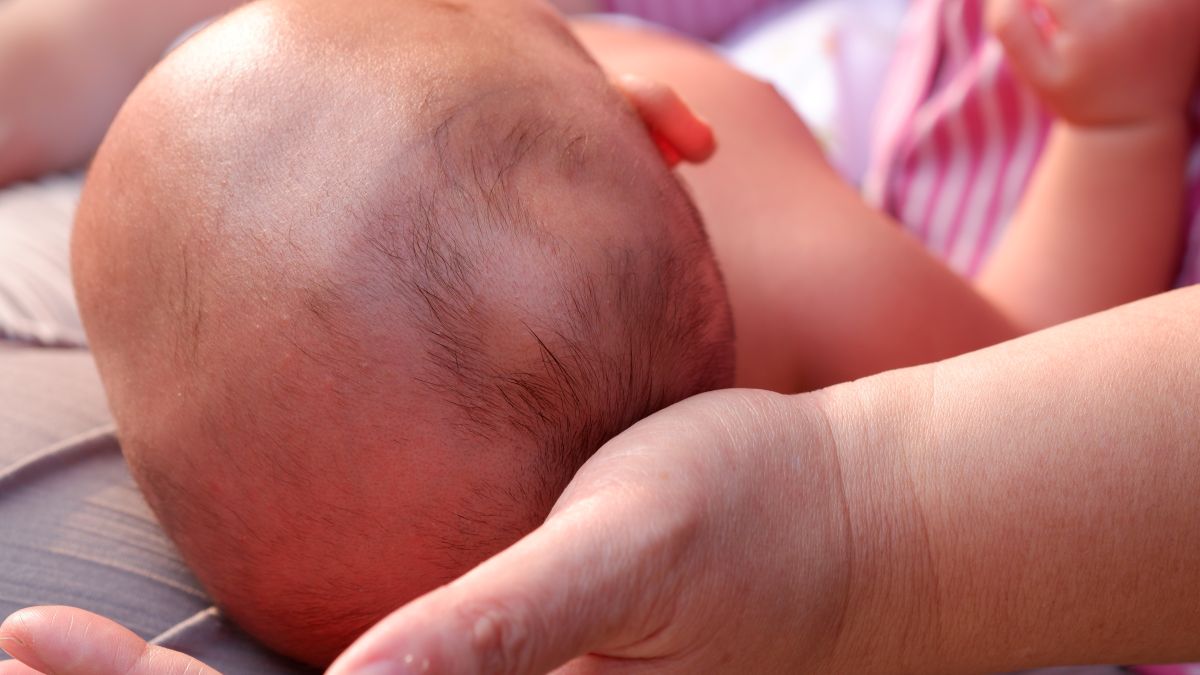
A cephalohematoma birth injury occurs when a newborn suffers pooled blood between the skull bone and the outer covering of the skull, called the periosteum. Blood can collect in this area when blood vessels rupture during delivery. When blood collects under the scalp, it can create a soft bulge or bump on the head that may look like a bruise. As days pass after birth, the bump can begin to harden and start to shrink. In some cases, it may shrink in the center of the bump, giving it a crater-like appearance.
According to the Cleveland Clinic, cephalohematoma occurs in about 2.5 percent of prolonged deliveries. However, the risk of cephalohematoma can rise to about ten percent in deliveries that use assistive equipment like forceps or vacuum extractors, as they are more likely to cause force that can break blood vessels.
This medical condition is distinct from caput succedaneum, which causes scalp swelling on the infant’s head, making it spongy. That condition can cross suture lines, but it may recede after birth. Caput succedaneum is the most reported birth injury in the United States.
What Causes Cephalohematoma During Birth?
Cephalohematomas occur during childbirth when a newborn has too much pressure placed on their skull, which can cause blood vessels to rupture and leak blood between the skull bone and periosteum. Various circumstances can increase the risk of a newborn developing cephalohematoma during delivery. Risk factors for many cephalohematomas include:
- Using epidurals during delivery, which can alter how the mother pushes during delivery
- Larger-than-average babies
- Delivering multiple babies
- Prolonged vaginal delivery
- Abnormal presentation that changes how the baby’s head enters the birth canal
- Using assistive equipment like forceps and vacuum extraction
The causes of cephalohematoma include pressure on a newborn’s skull from the mother’s pelvic bones and muscles in the birth canal during a prolonged vaginal delivery or from force applied by forceps or vacuum extraction. A baby’s head may also experience unusual force or pressure during delivery if the baby undergoes a breech birth or another abnormal delivery position.
Cephalohematoma Symptoms and Potential Complications
Cephalohematoma will cause a visible bump on the newborn’s scalp that may have a bruised appearance. In many cases, cephalohematoma does not cause serious complications to a newborn, and the blood buildup will eventually break down in a few weeks or months without medical treatment. However, cephalohematoma can cause certain serious health complications that may require medical care or jeopardize the baby’s life. Some of these complications include:
- Anemia: Cephalohematoma can remove blood from the baby’s circulatory system, leading to a dangerously low red blood cell count
- Calcification: Cephalohematoma can cause hardened bone deposits to form around the collection of blood, which can affect skull formation. Newborns may need surgery to remove calcified cephalohematoma.
- Jaundice: As a newborn reabsorbs the blood from a cephalohematoma, their bilirubin levels can rise, causing a condition called jaundice that creates a noticeable yellow tint to the skin and eyes. Jaundice can lead to other complications, such as kernicterus, which causes brain damage.
- Skull fracture: The mass caused by a cephalohematoma can fracture a newborn’s skull, although some skull fractures will heal over time without treatment.
- Infections: Cephalohematomas can increase a newborn’s risk of infections, such as osteomyelitis or cellulitis. Infections can lead to life-threatening sepsis, especially if left untreated or if treatments fail to end the infection successfully.
How Is Cephalohematoma Diagnosed and Treated?
Healthcare providers may diagnose cephalohematoma in the maternity ward when blood pools under the scalp, causing a noticeable bump on the newborn’s head. Parents may also notice the distinctive raised bump of cephalohematoma in the days after they bring their child home from the hospital.
Most cephalohematomas resolve on their own over time without medical intervention as the baby reabsorbs the blood cells. However, doctors should closely monitor the child’s condition for signs of complications.
Certain complications will require specialized cephalohematoma treatment. For example, a newborn may require surgery to remove calcifications on the skull caused by cephalohematoma, as they can affect the skull’s shape during the baby’s brain development. Doctors may also need to treat infections or sepsis that result from cephalohematoma. Finally, when cephalohematoma causes jaundice, doctors must monitor bilirubin levels to ensure they do not increase high enough to cause permanent brain damage.
When Could Cephalohematoma Be Linked to Medical Negligence?
Medical negligence occurs when healthcare providers render treatment that fails to meet the standard of care in a patient’s case. Healthcare professionals generally describe the standard of care as the treatment decisions and actions that other medical providers of similar experience and training would or should make in similar circumstances.
Cephalohematoma could result from medical negligence in several ways. Healthcare providers may allow prolonged vaginal delivery to continue for too long, causing the mother to strain with delivery and rupture blood vessels in the baby’s skull, when the standard of care would call for proceeding with a cesarean section. Healthcare providers can also damage blood vessels in a baby’s head, causing cephalohematoma, when they improperly use assistive equipment like forceps or vacuum extractors. Medical professionals may also increase the risk of cephalohematoma by placing a baby in an incorrect position for delivery or failing to notice a baby’s abnormal positioning.
Can Parents Pursue a Birth Injury Claim for Cephalohematoma?
Parents can file medical malpractice claims for a cephalohematoma birth injury on their child’s behalf as their representative or “next friend.” A birth injury claim allows a plaintiff to recover financial compensation for various expenses or losses the family and the child have incurred or will incur, including costs of medical treatment for complications caused by cephalohematoma or lifetime disability care if a child suffers permanent brain damage or physical disability due to complications.
However, parents must obtain court approval for any settlement of a birth injury claim they bring on their child’s behalf, as the court has a legal duty to ensure that a settlement serves the child’s best interests.
Under 735 ILCS 5/13-212, Illinois’ statute of limitations for medical malpractice claims, parents who pursue a birth injury claim for their child’s cephalohematoma must file suit within eight years of their child’s injury or the date that the family discovers the child’s injury. If parents wait too long to file suit for a birth injury, they risk losing their child’s right to recover compensation if the court dismisses a lawsuit as untimely filed.
Contact a Chicago Birth Injury Lawyer
If your child has suffered serious complications from cephalohematoma caused by a healthcare provider’s negligence during delivery, you may have a medical malpractice claim to pursue compensation for your child’s treatment and permanent injury. Salvi, Schostok & Pritchard P.C. has a long track record of securing significant compensation for families who have a child or loved one who has suffered harm through medical malpractice. Some of our notable results include:
- A $75.8 million verdict for a newborn girl who suffered brain damage from birth injuries.
- A $50.3 million verdict for a child who suffered serious birth injuries in an Evanston hospital
- A $25 million birth injury settlement for another family
Although our past results do not guarantee any specific outcome in your case, our record shows our willingness to fight passionately for the best possible outcome under the circumstances. Our determination has earned us the gratitude, respect, and trust of many of the individuals and families we have served. As one past client wrote about their experience having us represent them in their case:
“Our family was referred to Salvi, Schostok & Pritchard due to a neurosurgery issue that left our son with paralysis on his left side and on a ventilator. Not only was Salvi, Schostok & Pritchard knowledgeable, professional, and passionate about what they do, they were empathetic to our son and our needs as a family. They were able to secure a settlement that will take care of our son’s medical needs for his lifetime. We are extremely grateful to have been referred and consider them to be friends.” – Mike G.
Contact Salvi, Schostok & Pritchard P.C. today for a free case evaluation with a skilled birth injury attorney to learn more about your family’s rights to seek compensation if your newborn developed a cephalohematoma during delivery.