Chicago Medical Malpractice Lawyer
Last Updated on October 26, 2026 by Patrick A. Salvi II
If you are searching for a Chicago medical malpractice attorney, you need experienced legal representation that understands both complex medicine and Illinois law. The malpractice attorneys in Chicago at Salvi, Schostok & Pritchard P.C. have handled some of the most significant medical malpractice cases in Illinois history. When a doctor, hospital, or healthcare provider makes a serious medical mistake, you deserve answers and accountability. Our team acts as your trusted medical mistake lawyer, fighting to secure full and fair compensation. This includes complex cancer misdiagnosis claims — such as pancreatic cancer misdiagnosis in Chicago where delayed or missed diagnoses can have life-altering consequences.
Medical malpractice occurs when a healthcare professional or hospital fails to provide the standard of care required under the circumstances, resulting in injury or death to a patient. In Illinois, these claims are governed by specific statutes, including the requirement of a certificate of merit under 735 ILCS 5/2-622. Victims of medical negligence may be eligible to obtain compensation for medical expenses, lost wages, and non-economic damages.
Our Firm’s Commitment to Medical Malpractice Victims
“Our team’s mission is to improve patient safety by ensuring medical providers are held accountable and reminded that they must listen to their patients’ concerns.”
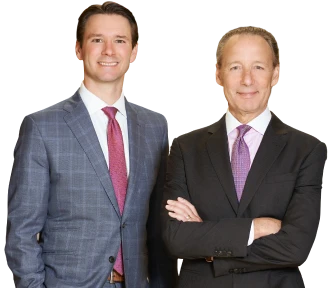
— Patrick Salvi Jr., Managing Equity Partner
Salvi, Schostok & Pritchard P.C. is a well-respected medical malpractice firm in Chicago, Illinois, with over 40 years of experience. Our personal injury law firm provides experienced legal representation in medical malpractice cases throughout Chicago and across the state of Illinois.
Our medical malpractice lawyers handle complex claims involving:
- Surgical Errors: Mistakes made during operative procedures.
- Delayed Diagnosis: Failure to identify conditions like cancer in a timely manner.
- Birth Injuries: Negligence during labor and delivery resulting in harm to the infant or mother.
- Hospital Malpractice: Systemic failures or nursing errors within a facility.
Our medical malpractice attorneys are dedicated to securing substantial verdicts and settlements for victims of healthcare providers’ malpractice, helping injured patients and their families achieve justice and fair compensation.
When Do You Need A Medical Mistake Lawyer?
Not every poor medical outcome is malpractice. But when a preventable error by a doctor, nurse, hospital, or healthcare provider causes serious harm, you may need an experienced medical mistake lawyer to protect your rights and investigate what went wrong.
Medical negligence cases often arise from situations such as:
Misdiagnosis or Failure to Diagnose
A missed or incorrect diagnosis can delay life-saving treatment and allow a condition to worsen. This is especially common in cases involving cancer, stroke, heart attack, or infections. Indications of a medical malpractice case include the following common diagnostic mistakes:
- Failing to recognize common symptoms associated with a particular medication
- Misreading or misinterpreting test results
- Dismissing clear warning signs
When a medical professional makes these dire mistakes, the consequences can be devastating. An experienced attorney can review medical records and consult qualified medical experts to determine whether your medical provider violated the standard of care.
Surgical Errors
Surgery carries inherent risks — but preventable mistakes are not acceptable. Surgical malpractice may involve any of the following:
- Operating on the wrong body part
- Leaving instruments inside a patient
- Performing an unnecessary procedure
- Causing avoidable nerve or organ damage
These cases often require detailed expert analysis to prove that the injury resulted from negligence rather than an unavoidable complication.
Birth Injuries
When mistakes occur during pregnancy, labor, or delivery, the impact can last a lifetime. Common causes of birth injuries include the following:
- Improper monitoring of fetal distress
- Delayed C-sections
- Misuse of forceps or vacuum extractors
- Medication errors during delivery
If a child suffers brain damage, nerve injuries, or other preventable harm, families may need a medical mistake lawyer to pursue accountability and secure long-term financial support.
Medication Errors
Medication mistakes can occur at any stage — prescribing, dispensing, or administering a drug. Errors may include any of the following:
- Incorrect dosages
- Dangerous drug interactions
- Failure to account for allergies
- Giving the wrong medication entirely
In some cases, these errors lead to severe complications or even death.
Delayed Diagnosis
Even when a condition is eventually diagnosed correctly, a delay in testing or treatment can significantly worsen the outcome. A delayed diagnosis may reduce survival rates, limit treatment options, or cause irreversible damage. These cases often hinge on whether a reasonably careful medical provider would have diagnosed the condition in a more timely manner.
If you or a loved one suffered serious harm because of a preventable medical error, it is important to speak with an experienced medical malpractice attorney as soon as possible. A knowledgeable legal team can evaluate whether the mistake rises to the level of medical malpractice, identify responsible parties, and pursue compensation for medical expenses, lost income, long-term care needs, and pain and suffering.
Timing is Critical. Let’s Get Started With Your Claim
Call at 312-372-1227 or contact us online to arrange your free and confidential case review.